

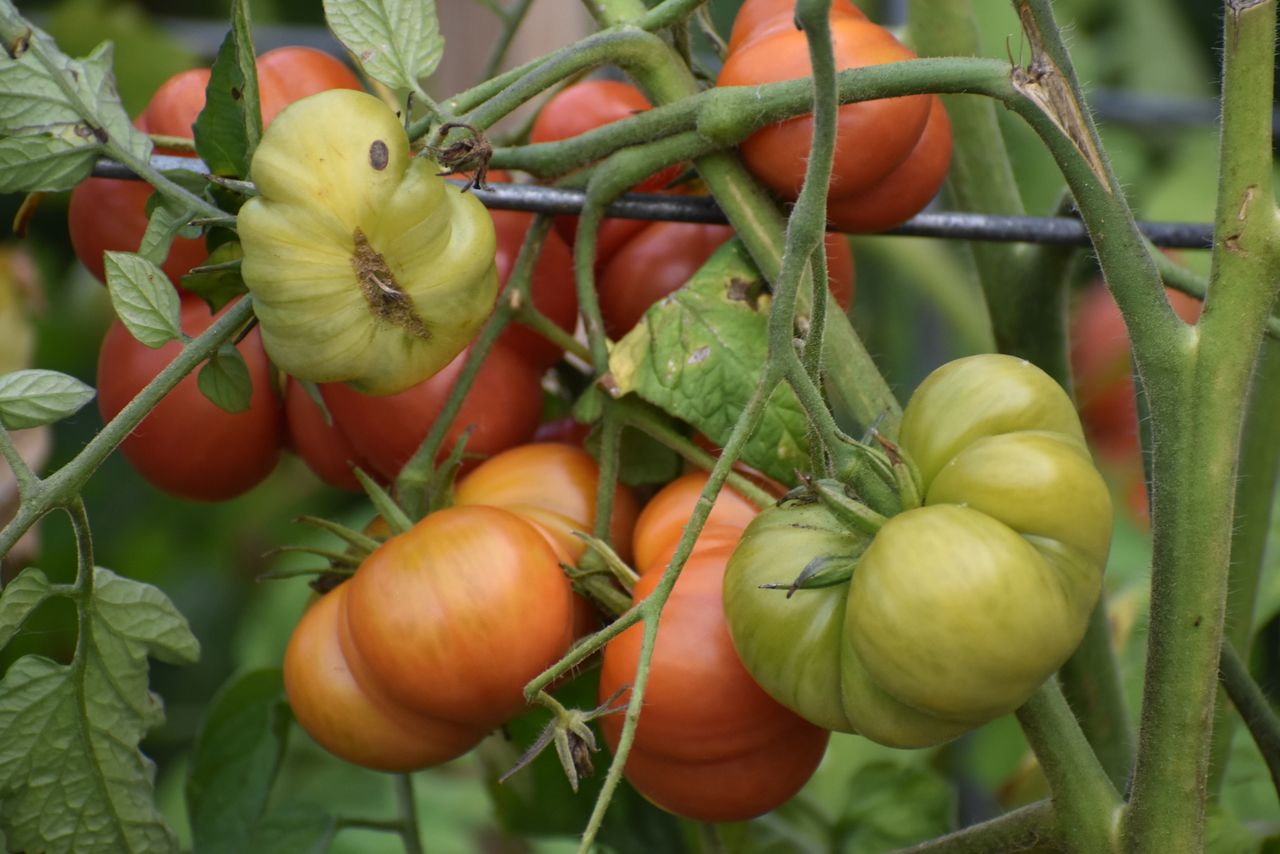
How to Prevent Flower Drop in Tomato: A Guide to Flower Retention
Why do tomato flowers drop?
Flower drop in tomato is one of the most important causes of yield loss across the season. If the flowers fall before fertilisation, no fruit will come from that truss. So why does it happen, and how is it prevented?
The main causes of flower drop in tomato:
- Extreme heat or cold: flower drop accelerates when night temperature falls below 10°C or day temperature exceeds 35°C.
- Zinc (Zn) deficiency: zinc is essential for pollen development and fertilisation. Without it, flowers drop before they are fertilised.
- Boron deficiency: prevents pollen tube germination and reduces fruit set.
- Water stress: irrigation imbalance · both drought and over-watering · triggers flower drop.
- Excess nitrogen: pushes the plant into vegetative growth and suppresses generative (fruit) development.
- Pests and disease: thrips, whitefly and fungal infections destroy flower tissue.
What should be done to prevent flower drop?
To improve fruit set in tomato, the source of the problem must be identified first. As a general approach, follow these steps:
Supplement with zinc
Pollen quality and the capacity of the flower to be fertilised depend directly on zinc level. In a zinc-deficient plant the flowers will not set even under the best conditions. Applied as a foliar fertiliser, a zinc-bearing liquid fertiliser is absorbed far faster than through the soil and shows its effect within 48–72 hours.
Watch the boron and calcium balance
Together with zinc, boron plays a critical role in fruit set. Calcium, by maintaining cell wall integrity, increases the flower's resistance to stress. Applied together, these three elements create a synergistic effect.
Keep irrigation regular
Soil moisture must be continuous and balanced. During flowering, keep the root zone consistently moist with drip irrigation. Both excess water and drought increase production of the stress hormone ethylene and accelerate flower drop.
Using Casablanca for fruit set in tomato
Casablanca is a naturally sourced, zinc-bearing liquid fertiliser formulation, built with organic carriers that give fast foliar absorption. In tomato growing:
- Apply when the first flower truss appears
- Repeat every 10–14 days
- Spray directly onto the leaves and flower clusters
- It can also be delivered through drip systems
The natural disinfectants in Casablanca also suppress fungal diseases of the flowering period (Botrytis, Cladosporium), reducing the fungal component of flower drop.
Timing and rate
For the best result, apply in these periods:
- 10 days after transplanting: support for root establishment and early vegetative growth
- 7 days before the first flowers appear: building the zinc reserve ahead of flower formation
- At full flowering: support for fertilisation
- After fruit set: preventing early fruit drop
Apply early in the morning or towards evening. There is a risk of leaf scorch in the midday sun.
Greenhouse versus open-field tomato
Greenhouse growers produce through the winter under cover, so temperature stress occurs more often. Open-field growers contend with extreme summer heat. In both cases the combination of zinc + boron + calcium is the most effective preventive measure against flower drop.
Frequently asked questions
Which fertiliser is used for flower drop in tomato?
To support fruit set, a foliar fertiliser containing zinc (Zn) and boron should be used first. Casablanca is a naturally sourced liquid fertiliser formulated for this purpose.
Why do tomato flowers drop?
The most common causes are high or low temperature, zinc and boron deficiency, water stress and excess nitrogen fertilisation.
When should a flower retention product be applied on tomato?
Start a week before the first flower truss appears and continue at 10–14 day intervals until full flowering.
What should be done for a tomato plant that is dropping flowers?
First identify the source of stress (temperature, humidity, nutrition). Then apply zinc foliarly, correct irrigation and stop excess nitrogen fertilisation.
How is Casablanca applied?
Mix 1 litre of Casablanca into 200 litres of water and apply as a foliar spray. It can also be delivered through the drip system. Application in the cool of morning or evening is recommended.
See the difference in your field this season
Contact us to trial Casablanca on your own crop, find your nearest dealer or receive an application programme.